Understanding Oxygen Sensor High Voltage is crucial for vehicle maintenance. This issue often indicates problems within the emission system. The oxygen sensor plays a critical role in monitoring exhaust gases. When it reports high voltage, various factors could be at fault.
Common causes include faulty wiring, poor connections, or even a defective sensor itself. It's essential to check the entire system. Low fuel quality or a malfunctioning engine can contribute as well. Vehicle owners should remain vigilant about their car's oxygen sensor performance.
Ignoring Oxygen Sensor High Voltage issues can lead to decreased fuel efficiency and increased emissions. It's wise to consult with a professional mechanic for accurate diagnostics. Regular maintenance and timely repairs can prevent larger problems. Staying informed helps ensure your vehicle runs smoothly.

What is an Oxygen Sensor and Its Role in Vehicle Operation?
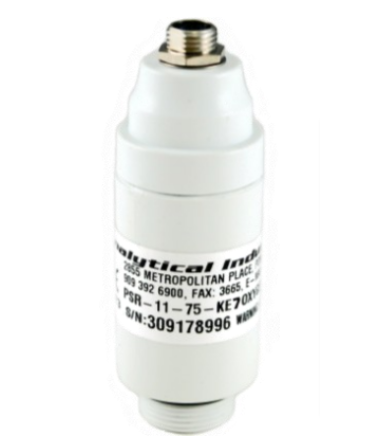
An oxygen sensor plays a critical role in a vehicle's engine management system. It measures the amount of oxygen in the exhaust gases. This information helps the engine control unit adjust the air-fuel mixture for optimal combustion. A properly functioning oxygen sensor contributes to efficient fuel economy and reduced emissions.
High voltage issues with oxygen sensors can stem from a variety of factors, such as wiring problems or sensor fatigue. Over time, sensors may degrade, causing unexpected readings. If the readings are off, it can lead to poor performance and increased fuel consumption. Regular inspections can help identify these problems early.
Tips: Always check the wiring for any signs of wear or damage. Ensure that connections are clean and secure. Consider replacing the sensor if it has been in use for several years.
Another aspect to consider is the environment in which the vehicle operates. High temperatures, contaminants, and even water exposure can impact sensor function. These factors may create unforeseen challenges. Regular maintenance and appropriate driving habits play a significant role in extending the sensor's life.
Tips: Monitor your vehicle's performance regularly. Address issues immediately to prevent compounding problems. A proactive approach can save you time and money.
Common Types of Oxygen Sensors and Their Functions
Oxygen sensors are crucial for engine management in vehicles. They monitor the oxygen levels in the exhaust. This data helps the engine control unit (ECU) adjust the fuel-air mixture, ensuring optimal combustion and efficiency. A common type is the zirconia oxygen sensor, widely used for its reliability. Data from industry reports indicate that approximately 70% of vehicles on the road utilize this type of sensor.
Another type is the wideband oxygen sensor. These sensors provide a broader range of readings. This feature is particularly valuable for modern engines that demand precise air-fuel ratios. A survey by the Automotive Aftermarket Suppliers Association shows that about 30% of new vehicles are equipped with wideband sensors. However, while these sensors enhance performance, they also require careful monitoring. Issues can arise from faulty wiring or improper installation, leading to high voltage problems.
The function of oxygen sensors is clear but not without challenges. Many vehicle owners neglect routine checks, forgetting that these sensors impact fuel efficiency. Research shows that a malfunctioning oxygen sensor can reduce fuel economy by up to 40%. This highlights the need for awareness and preventative maintenance among drivers. Understanding these aspects helps in mitigating potential high voltage issues linked to oxygen sensors.
Identifying High Voltage Issues in Oxygen Sensors
High voltage issues in oxygen sensors can lead to significant problems in vehicle performance and emissions. These sensors play a critical role in providing feedback to the engine control unit (ECU). According to a study by the Society of Automotive Engineers (SAE), around 20% of all vehicle diagnostic trouble codes are related to oxygen sensor malfunction.
Understanding the signs of high voltage issues is essential for vehicle owners. Symptoms may include poor fuel efficiency, rough engine idle, and increased exhaust emissions. High voltage readings can occur due to several factors, including improper wiring or faulty connectors. Regular maintenance can help identify these issues early, reducing costly repairs.
Tips: Regularly inspect wiring and connectors. Ensure they are clean and corrosion-free. A voltage multimeter can help monitor sensor readings. If you notice erratic performance, consult a professional mechanic. Even small issues can escalate if left unchecked. Proactive maintenance can enhance vehicle longevity and ensure compliance with emissions standards.
Common Causes of High Voltage Problems in Oxygen Sensors
Oxygen sensors play a crucial role in vehicle emissions control. High voltage issues in these sensors can significantly affect performance. Several common causes lead to these high voltage problems.
One primary factor is electrical shorts in the wiring. Damaged wires or poor connections can create excess voltage. In fact, reports suggest that electrical malfunctions account for nearly 30% of oxygen sensor failures. Another cause involves the sensor's internal components. Aging or damaged sensors can produce erratic voltage readings. Studies indicate that worn sensors often lead to elevated voltage signals, impacting fuel efficiency.
Environmental factors also contribute. Contaminants like oil or fuel can poison the sensor. When contamination occurs, the signal may spike. A study found that nearly 20% of high voltage issues arose from sensor contamination. These problems highlight the need for regular vehicle maintenance. Proper diagnostics can help prevent costly repairs. Understanding these causes can lead to better sensor performance and vehicle health.
Understanding Top Reasons for Oxygen Sensor High Voltage Issues
| Common Causes |
Description |
Potential Solution |
| Faulty Wiring |
Damaged or corroded wires can lead to high voltage readings. |
Inspect and repair any damaged wiring. |
| Excessive Voltage Supply |
Issues with the vehicle's electrical system may supply high voltage to the sensor. |
Check voltage output and rectify electrical issues. |
| Contaminated Sensor |
Build-up of contaminants can affect sensor readings. |
Clean or replace the oxygen sensor. |
| Poor Engine Performance |
Engine issues can misleadingly affect sensor outputs. |
Diagnose and address engine performance problems. |
| Old or Worn-Out Sensor |
Aging sensors may produce inaccurate high voltage readings. |
Replace the oxygen sensor if it is beyond its service life. |
Symptoms of a Malfunctioning Oxygen Sensor Due to High Voltage

A malfunctioning oxygen sensor can lead to high voltage issues, significantly affecting your vehicle's performance. One of the primary symptoms to look for is increased fuel consumption. When the oxygen sensor sends incorrect voltage signals, your engine may consume more fuel than necessary. Drivers often notice frequent trips to the gas station. This increased fuel usage can strain your wallet.
Another common symptom is poor engine performance. You might experience reduced acceleration or rough idling. The engine may misfire or hesitate during acceleration. This behavior can diminish your driving experience and lead to frustration. Ignoring these signs can result in further damage to the engine.
Check engine light activation is also a red flag. When the oxygen sensor malfunctions, it triggers the warning light. Many drivers may overlook this indicator until it causes severe issues. It’s essential to diagnose and address these symptoms promptly. Ignoring the signs can lead to costly repairs and a less efficient vehicle.
How to Diagnose and Resolve High Voltage Issues in Oxygen Sensors
High voltage issues in oxygen sensors can lead to unexpected vehicle performance problems. Diagnosing these issues requires a systematic approach. Start by inspecting the wiring and connectors. Damaged or corroded connections can increase resistance, leading to high voltage readings. According to the Automotive Aftermarket Industry Association, roughly 25% of vehicle repairs involve electrical issues.
Understanding sensor operation is crucial. Oxygen sensors measure the level of oxygen in the exhaust to optimize fuel combustion. When they malfunction, it can negatively affect emissions and fuel efficiency. High voltage readings often occur due to sensor faults, wiring problems, or exhaust leaks. Industry data suggests that 15% of vehicles experience sensor failures due to improper installation or age-related wear.
Tips: Regularly inspect your vehicle's exhaust and electrical systems for visible issues. Clean connections and ensure tight fittings to prevent voltage spikes. Check if the oxygen sensor is compatible with your vehicle to avoid mismatches that could lead to high voltage errors. Monitor fuel efficiency; sudden drops can signal sensor issues needing attention.
Preventive Measures to Avoid Oxygen Sensor High Voltage Failures
Oxygen sensors play a crucial role in engine management, measuring the oxygen levels in exhaust gases. High voltage issues can lead to poor performance and increased emissions. Preventive measures are essential to maintain the sensor's effectiveness. Regular inspection of wiring and connectors can prevent high voltage problems. Damaged or corroded connections can create issues, leading to false readings.
Periodic maintenance of the exhaust system is vital. Build-up of contaminants can hinder performance. Addressing exhaust leaks promptly can help protect the sensor. Environmental factors also play a role. High temperatures or moisture can affect sensor functionality. Shielding sensors from extreme conditions may prolong their lifespan.
Driver habits impact sensor health too. Frequent short trips can prevent the engine from reaching optimal temperature. This may cause the sensor to wear out faster. Additionally, using quality fuel reduces the risk of damaging deposits forming. Awareness of these factors is key to preventing high voltage failures in oxygen sensors.
Conclusion
The article "Understanding Top Reasons for Oxygen Sensor High Voltage Issues" explores the critical role of oxygen sensors in vehicle operation, particularly in regulating emissions and fuel efficiency. It outlines the common types of oxygen sensors and their specific functions, while also highlighting the signs and symptoms of high voltage problems. Identifying the causes of Oxygen Sensor High Voltage issues is essential for vehicle maintenance, as these problems can lead to poor engine performance and increased emissions.
Additionally, the article provides guidance on diagnosing and resolving high voltage issues in oxygen sensors, including effective troubleshooting techniques. It emphasizes the importance of preventive measures to avoid future high voltage failures, ensuring that oxygen sensors operate optimally and extend their lifespan. Understanding these aspects can help vehicle owners maintain their cars more efficiently and prevent costly repairs related to oxygen sensor malfunctions.