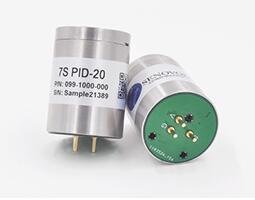
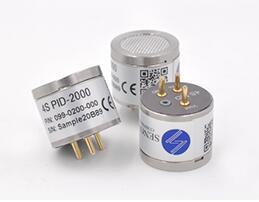
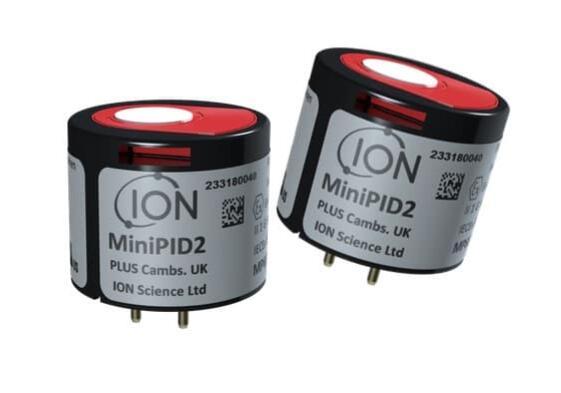
Air quality monitoring is crucial for public health and environmental safety. In this field, Photo Ionization Detectors (PIDs) are essential tools. These devices detect volatile organic compounds and other harmful gases, providing real-time data on air quality. Choosing the right PID can be challenging due to the numerous options available. Each model has its strengths and weaknesses. Some PIDs may lack sensitivity, while others might not perform well under specific conditions. Quality varies significantly among manufacturers. Rigorous testing is essential to determine the best models for specific applications.
As air quality concerns grow, selecting effective Photo Ionization Detectors is becoming increasingly important. Users must consider factors like response time, battery life, and data logging capabilities. Enhancing air quality monitoring efforts will require continuous innovation and improvement. Understanding the limitations of current devices can help guide future developments. Prioritizing reliable sensors is vital for accurate monitoring.

Overview of Photo Ionization Detectors in Air Quality Monitoring
Photoionization detectors (PIDs) play a crucial role in monitoring air quality. These devices use ultraviolet light to ionize gas molecules. As a result, the level of ionization correlates with the concentration of various volatile organic compounds (VOCs). According to the Environmental Protection Agency, VOCs significantly impact indoor air quality, contributing to health issues like asthma and respiratory problems.
Real-time monitoring is a key advantage of PIDs. They provide instant data, which is vital for managing air quality in urban environments. A study published in the Journal of Environmental Monitoring indicated that using PIDs can significantly reduce response time to air quality breaches. Furthermore, PIDs are capable of detecting low concentration levels in the parts per billion range, which is essential for precise air quality assessments.
Despite their benefits, PIDs have limitations. Environmental factors, like humidity and temperature, can affect readings. Some units may require regular calibration to ensure accuracy. Understanding these nuances is essential for users relying on these detectors for critical health and safety assessments. Ongoing research is necessary to enhance the performance and reliability of PIDs in varied conditions.
Key Features to Consider When Choosing a Photo Ionization Detector
When selecting a photo ionization detector (PID), understanding key features is vital for effective air quality monitoring. Reliability plays a crucial role; PIDs vary in their ability to accurately measure volatile organic compounds (VOCs). According to a 2021 environmental study, certain PIDs show a variance of up to 30% in detecting hazardous compounds. This inconsistency raises concerns about the reliability of results across different environments.
Sensitivity and detection range significantly influence performance. The most effective PIDs can detect VOCs at concentrations as low as parts per billion (ppb). A 2020 report indicated that detectors with a sensitivity below 0.1 ppm successfully identified specific pollutants more efficiently. That said, a low detection threshold does not always guarantee accurate readings in complex environments, which can present challenges.
Durability is another feature to consider. Many PIDs are sensitive to environmental conditions like humidity and temperature. An analysis noted that environmental factors could lead to an increased rate of false positives. Thus, users should ensure the chosen detector is well-suited for their specific environment, keeping in mind the device's calibration requirements.
Top Applications of Photo Ionization Detectors in Various Industries
Photo Ionization Detectors (PIDs) are vital tools in air quality monitoring across various industries. These devices effectively detect volatile organic compounds (VOCs) and other hazardous gases. A recent report by the Environmental Protection Agency highlights that PIDs can identify substances at parts per billion levels. This level of precision helps industries like petrochemicals and pharmaceuticals maintain stringent safety standards.
In the environmental sector, PIDs are frequently employed for monitoring emissions. They provide real-time data that aids compliance with environmental regulations. According to a study by the National Institute for Occupational Safety and Health, workers exposed to VOCs face health risks. Regular PID usage can help mitigate these risks, ensuring safer workplaces. However, reliance on a single monitoring method may not capture all toxic substances. Thus, a multi-faceted approach is recommended for comprehensive assessments.
The construction industry also leverages PIDs to ensure safe indoor air quality. High VOC levels can arise from paints and solvents used on-site. By detecting these gases early, contractors can implement ventilation measures quickly. Yet, some professionals point out the limitations of PIDs in highly variable environments. Calibration and regular maintenance are crucial for accurate readings. Ongoing training for users is essential, as improper use can lead to significant oversights.
Comparison of the Top 10 Photo Ionization Detectors Available Today
Air quality monitoring is vital for public health and safety. Photo ionization detectors (PIDs) play a crucial role in assessing environmental pollutants. Recent industry reports indicate that advanced PIDs can identify volatile organic compounds with high sensitivity. Many models on the market today offer quick response times and reliable data.
When selecting a PID, consider the detection range. Some detectors excel in low-level measurements, while others may focus on higher concentrations. The choice depends on your specific monitoring needs. Not all detectors are created equal, and environmental factors can affect readings. Users should be cautious when interpreting results.
Tips for effective use include regular calibration and maintenance of devices. Keep detectors in appropriate conditions to ensure accuracy. Regularly check for any data discrepancies, and make adjustments as needed. This proactive approach can significantly enhance air quality monitoring efforts. Investing time in understanding your device's limitations will lead to more reliable data. Each detector has its strengths and weaknesses, and awareness is key.
User Reviews and Feedback on Popular Photo Ionization Detectors
Photoionization detectors (PIDs) are essential tools for accurate air quality monitoring. User reviews reflect varied experiences with these devices. Some users appreciate their sensitivity to volatile organic compounds (VOCs), while others note issues with calibrating sensors. A recent report from the Environmental Protection Agency indicates that PIDs can detect down to parts per billion, making them suitable for many applications.
While many users find them effective, feedback reveals occasional calibration challenges. Proper maintenance is crucial. Users should ensure routine checks for accuracy. Monitoring environmental conditions can also enhance performance. This mitigates risks associated with false readings. A good PID should provide real-time data, but context matters. Ambient temperatures and humidity can affect results.
Here are a few tips. When selecting a PID, consider its application. Ensure it meets the specific detection needs of your environment. Engage with user communities for shared insights and experiences. Using devices in ideal conditions can yield better data accuracy. Regular training and updates on technology can improve overall usage too.
Maintenance and Calibration Tips for Optimal Detector Performance
Proper maintenance and calibration of photo ionization detectors (PIDs) are crucial for reliable air quality monitoring. PIDs can be sensitive to environmental factors. Regularly checking components ensures accurate readings. Every few months, inspect the detector for dust or obstructions. These can impact performance significantly. If you notice fluctuating readings, it may be time for a more thorough check.
Calibration is another key aspect. It should be done routinely, ideally every six months. Use certified calibration gases to ensure accuracy. Follow the manufacturer's guidelines closely during this process. If calibration is neglected, the detector may provide misleading data. In some cases, it’s wise to consult specialists for advanced calibration techniques.
Even with regular maintenance, detectors can face challenges. Factors like humidity and temperature may skew results. Document all inspections and calibrations to track performance over time. This data can provide insights into how operating conditions affect readings. It helps to foster a proactive approach towards any irregularities. Always be open to revisiting your strategies and refining your methods.
Future Trends in Photo Ionization Detection Technology for Air Quality
Photo ionization detection technology is evolving rapidly, meeting the increasing demand for precise air quality monitoring. This method uses ultraviolet light to ionize gas molecules, allowing real-time detection of even trace contaminants in the air. Its sensitivity is valuable for industries where air quality is crucial, such as healthcare and pharmaceuticals. However, users often encounter challenges with calibration and maintenance. Regular updates to software and hardware can be complex and expensive.
Emerging trends hint at integration with smart technologies. The use of artificial intelligence can enhance accuracy. Machine learning algorithms may predict air quality fluctuations, offering proactive solutions. These innovations could also streamline data collection and analysis. Yet, reliance on technology raises questions about data privacy. Users should be aware of how their information is utilized.
Additionally, the market is witnessing miniaturization. Smaller, portable detectors are appearing, enabling individual users to monitor air quality. This democratization of technology, however, often comes with trade-offs in sensitivity and range. Consumers must evaluate their specific needs to ensure they choose suitable devices. Balancing accessibility with performance remains a pressing issue for the industry.
Conclusion
Photo Ionization Detectors (PIDs) play a crucial role in accurately monitoring air quality by identifying volatile organic compounds and various pollutants. These detectors are favored for their rapid response time and sensitivity, making them essential tools in multiple industries, including environmental monitoring, industrial hygiene, and safety management. When selecting a PID, it is important to consider key features such as detection range, calibration needs, and portability, which can significantly impact performance and usability.
The applications of Photo Ionization Detectors are vast, ranging from ensuring workplace safety to environmental research. However, regular maintenance and calibration are necessary to ensure optimal functionality and reliability. As technology evolves, future trends in PID development promise enhanced detection capabilities and smarter integration with data management systems, paving the way for more effective air quality monitoring solutions.